
Minor Arcana · Thought, Language, and Consequence
Swords Tarot Meanings: When the Question Cannot Stay Vague
The suit of Swords enters when something must be named. It governs the stories the mind repeats, the words people choose, the decisions they delay, and the consequences of speaking—or refusing to speak. Its clarity often arrives where avoidance has stopped working.
- Fact and inference
- Speech and boundaries
- Choice and consequence
Swords
What is true, and what follows from knowing it?
In the common tarot system used here, the suit of Swords is associated with air, thought, language, judgment, law, boundaries, and conflict. Its difficulty comes from precision. A sentence can clarify or humiliate; a boundary can protect or isolate; analysis can uncover a solution or become an endless private trial.
In relationships, Swords often appears around difficult conversations, silence, indecision, suspicion, separation, and honest limits. At work it describes strategy, negotiation, contracts, criticism, authority, and high-pressure choices. Personally, it shows both intellectual strength and the cost of living inside an unchallenged thought.
Swords does more than predict conflict. It gives confusion an edge, separates fact from fear, and helps a person decide what they can no longer pretend not to know. Mature reading does not treat every worry as foresight; it identifies what can be verified, discussed, or released.
Separate the event from the interpretation
Swords rewards exact questions. Begin with what happened, identify the direction of conflict, and let the other suits restore the emotional and practical context.
Name what was said or done
What do you know directly? What have you inferred during silence? What evidence would change the conclusion? Put the event and the meaning assigned to it in separate columns so the reading does not become an amplifier for anxiety.
Notice where the blade points
Conflict may occur between people, but it may also turn inward as self-criticism, dread, rehearsal, guilt, or paralysis. A quiet image can still contain a battle; it may simply be taking place in one person’s mind.
Restore what thought cannot do alone
Cups reveals the feeling beneath the words, Wands shows whether anyone will act, and Pentacles shows what the decision changes in practical life. Clarity cannot replace emotional processing, rest, or consistent conduct.
From one clear thought to rupture, repetition, and release
The numbered sequence shows thought becoming choice, wound, strategy, fear, and consequence. It also explains why “just think positively” is inadequate: the mind needs truth, rest, proportion, support, and sometimes an ending.
Ace–Four | Clarity, stalemate, hurt, and rest
The Ace names the issue, the Two holds opposing truths in suspension, the Three shows division reaching the heart, and the Four withdraws so the mind and nervous system can recover.
Five–Seven | Winning, leaving, and hidden knowledge
The Five exposes the cost of needing to win. The Six moves away from the worst of conflict. The Seven takes information out of public view through privacy, strategy, omission, avoidance, or deceit.
Eight–Ten | Fear, rumination, and an ending
The Eight lets fear resemble a structure with no exit; the Nine repeats the trial without new evidence; the Ten reaches the point where the old story cannot continue in the same form. Painful finality also stops repetition.
The court | Four levels of discernment
The Page investigates, the Knight drives a conclusion into action, the Queen sets an experienced boundary, and the King organizes facts into principle and decision. They describe people or mental postures, not fixed genders.
Upright and reversed: is the blade raised, hidden, or set down?
A reversed Sword can show distorted information and internalized conflict, but it can also reveal a secret, end an argument, or loosen a punishing thought. Direction alone cannot decide which one is happening.
The issue enters conscious view
Truth is spoken, a stalemate becomes undeniable, a wound is acknowledged, or a boundary is drawn. Visibility may hurt, but it creates the possibility of a real response rather than another round of private speculation.
Information is obstructed—or conflict begins to release
Words may be taken back, facts distorted, and argument turned inward. Or secrecy may end and the blade finally turn away from the self. Test whether the reversal makes reality clearer and healthier, or only buries avoidance more deeply.
14 cards
Explore all 14 Swords cards
Read the Ace through Ten, then the Page, Knight, Queen, and King. Each card page grounds the symbol in communication, relationships, work, money, upright meanings, and reversals.
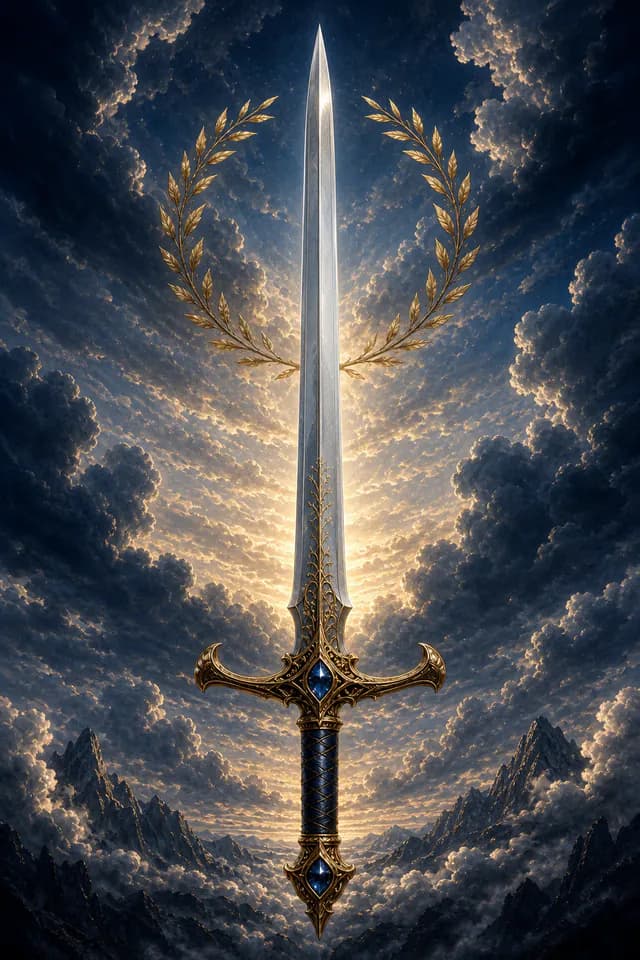 Ace of Swordsclarity / truth / decision / message / breakthrough
 Two of Swordsstalemate / indecision / avoidance / blocked choice / emotional guard
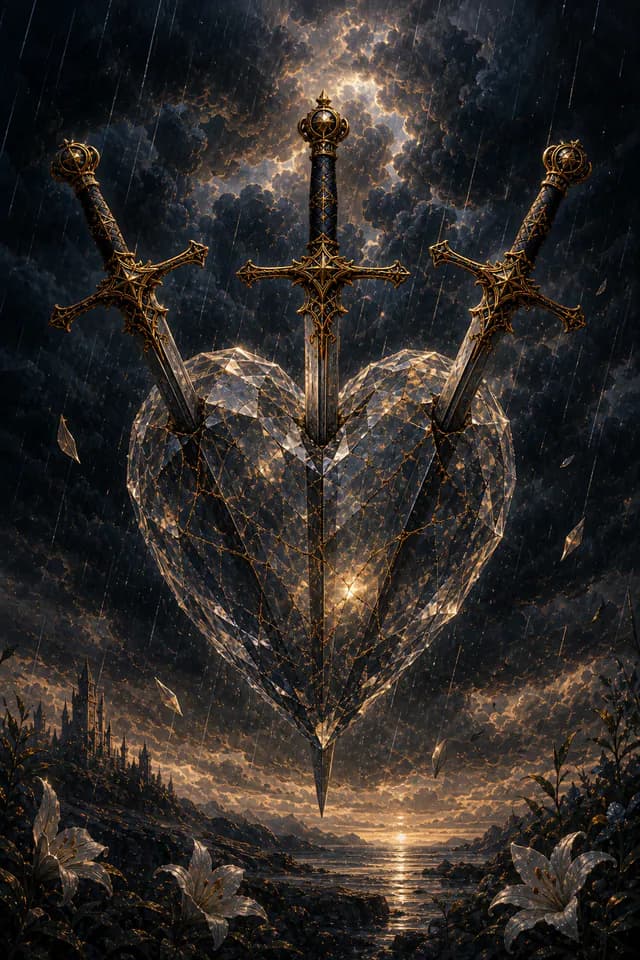 Three of Swordsheartbreak / painful truth / grief / separation / betrayal
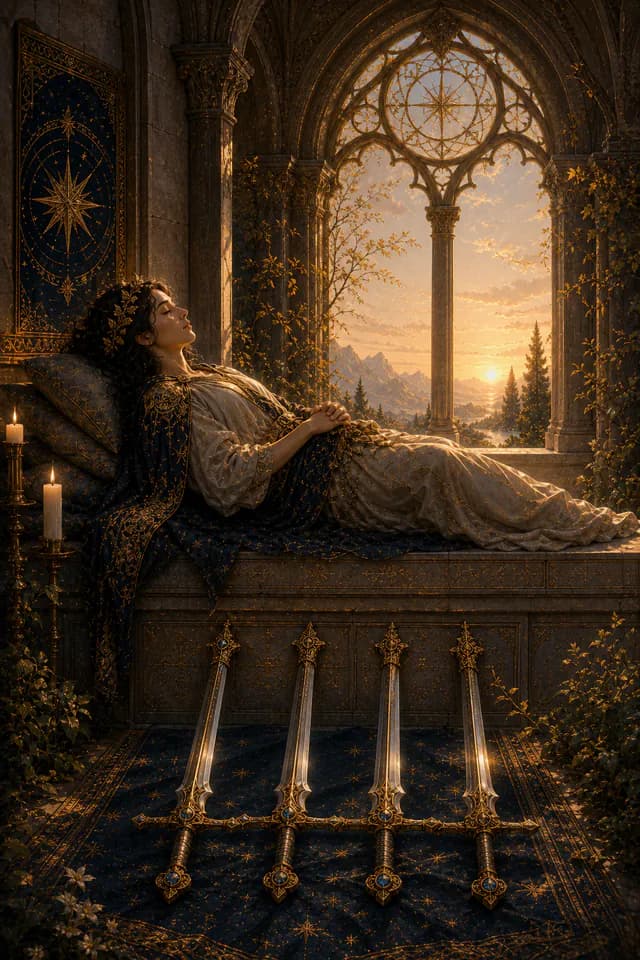 Four of Swordsrest / silence / recovery / pause / mental space
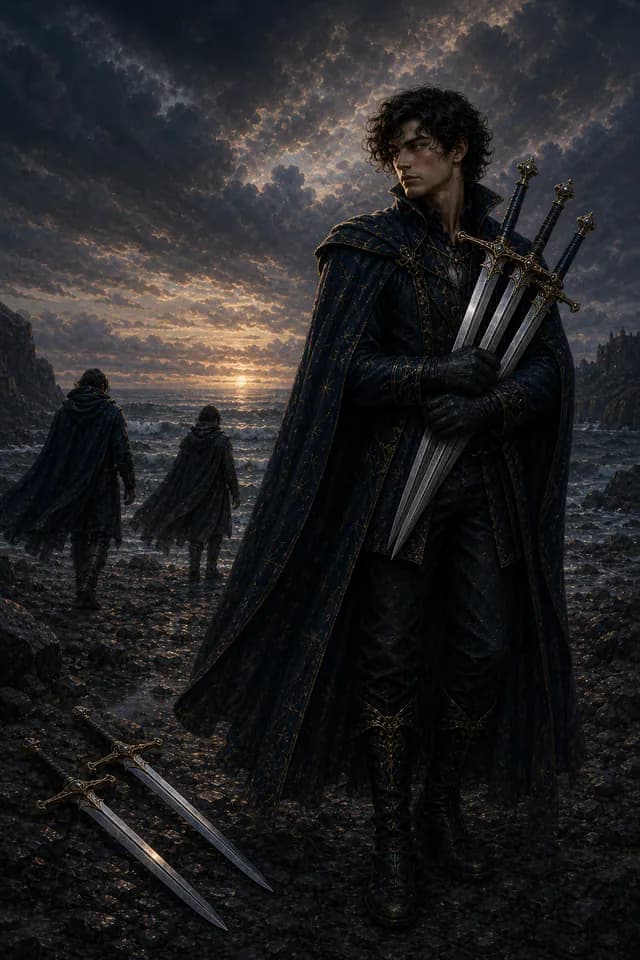 Five of Swordsconflict / winning at a cost / ego / hurtful words / empty victory
 Six of Swordsmoving on / transition / distance / healing passage / leaving trouble
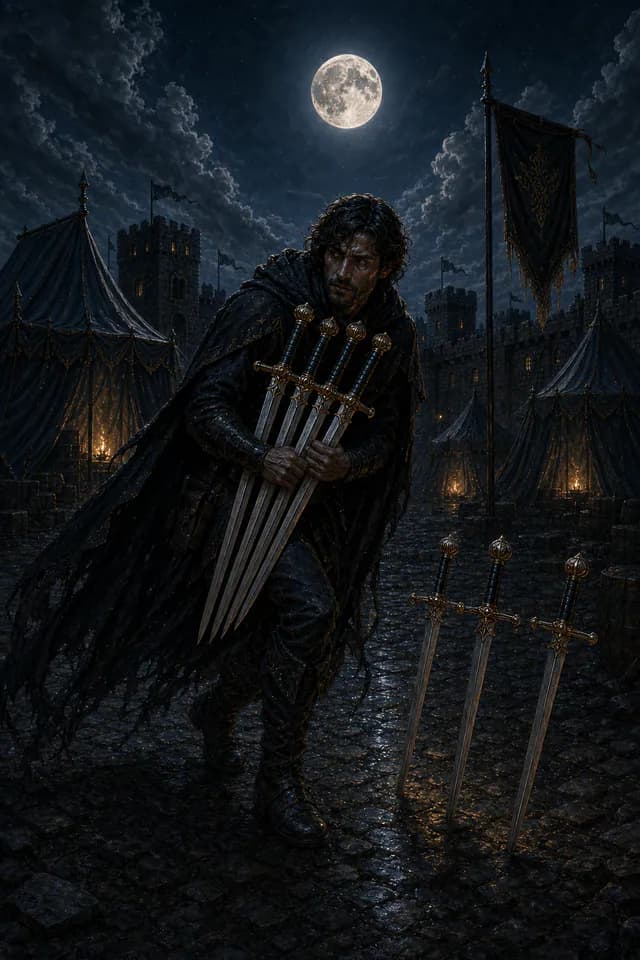 Seven of Swordssecrecy / strategy / avoidance / dishonesty / quiet exit
 Eight of Swordsfeeling trapped / fear / mental loop / helplessness / self-limiting thoughts
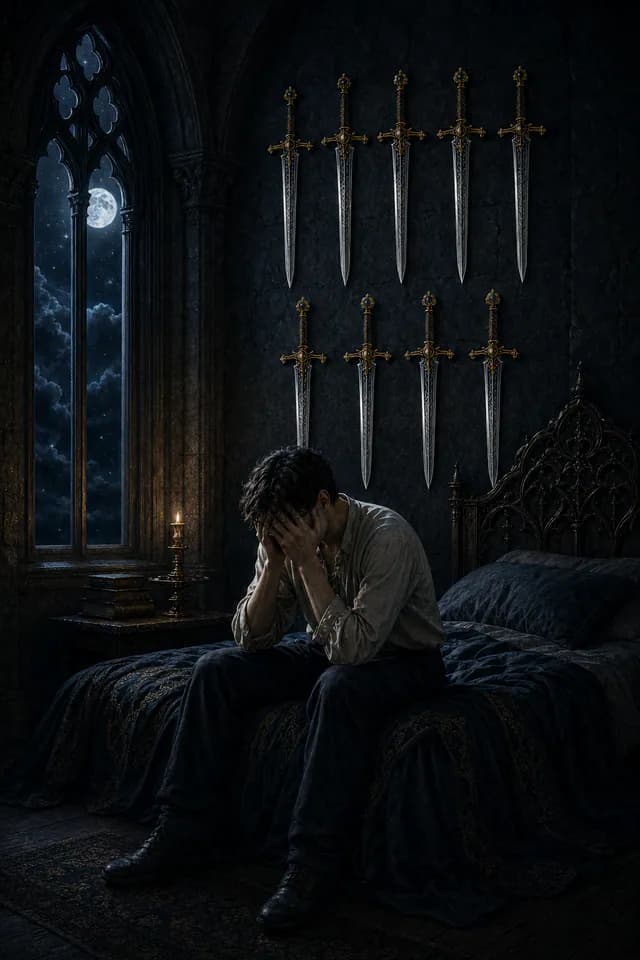 Nine of Swordsanxiety / night thoughts / guilt / worry / mental pain
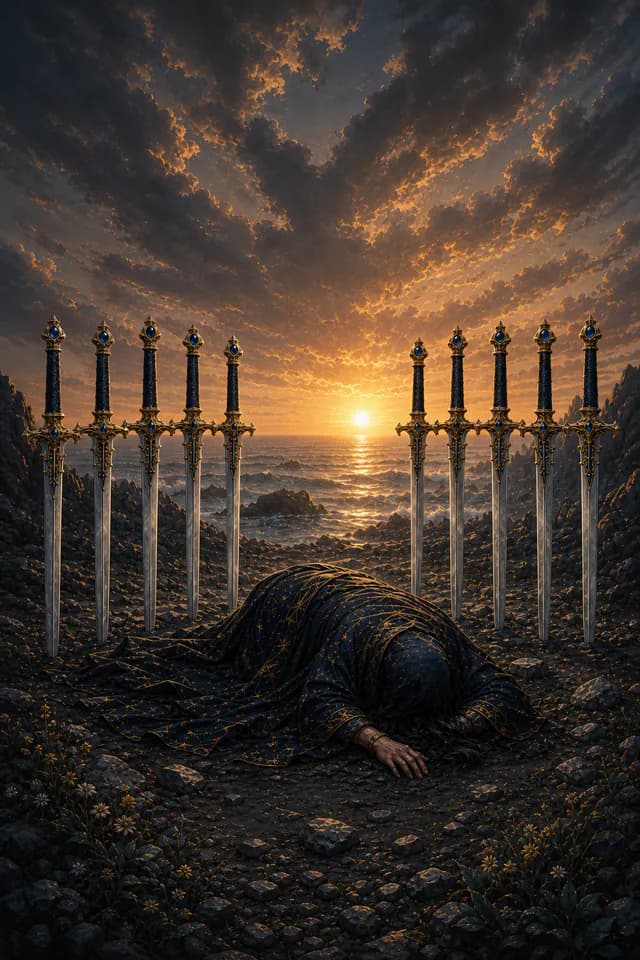 Ten of Swordspainful ending / betrayal / rock bottom / finality / release
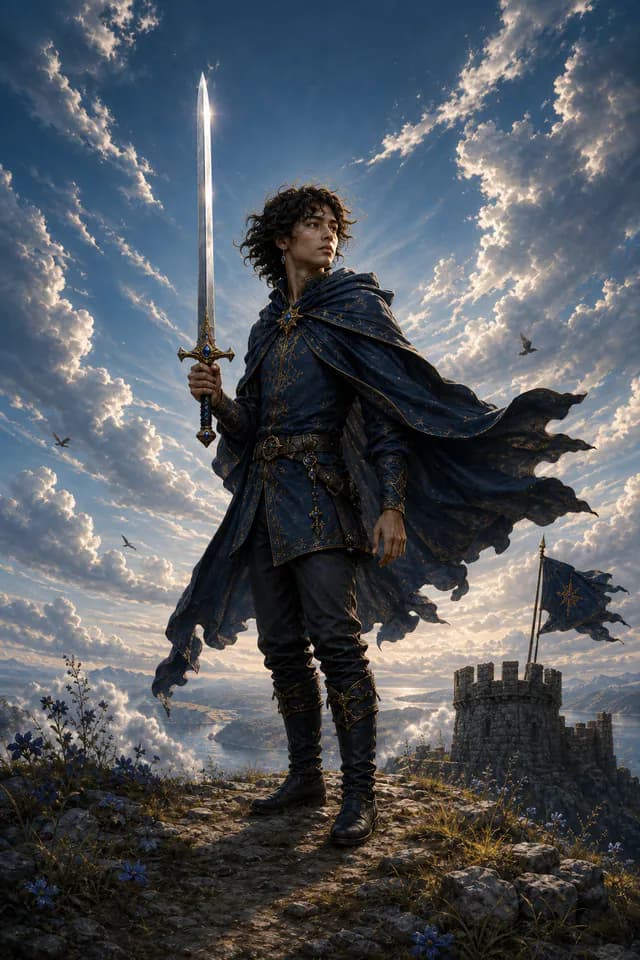 Page of Swordscuriosity / watching / message / questions / nervous communication
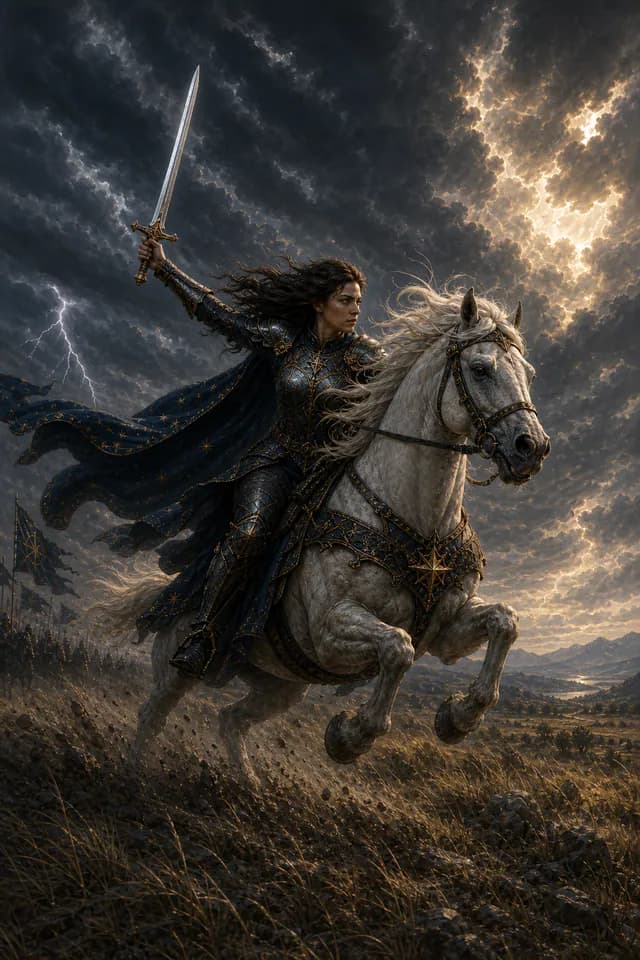 Knight of Swordsrush / directness / argument / impulse / fast words
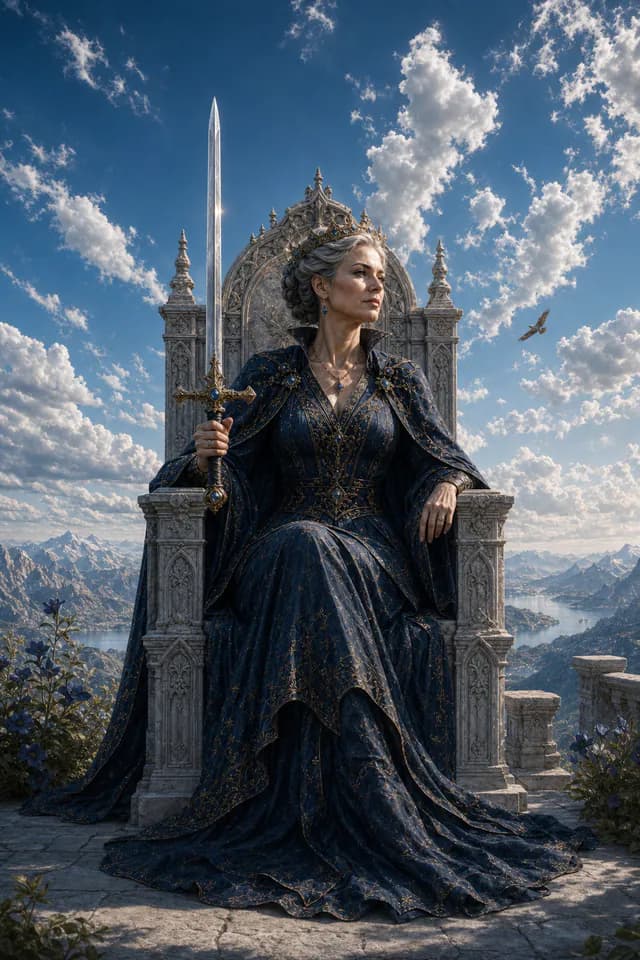 Queen of Swordsboundaries / discernment / truth / independence / clear standards
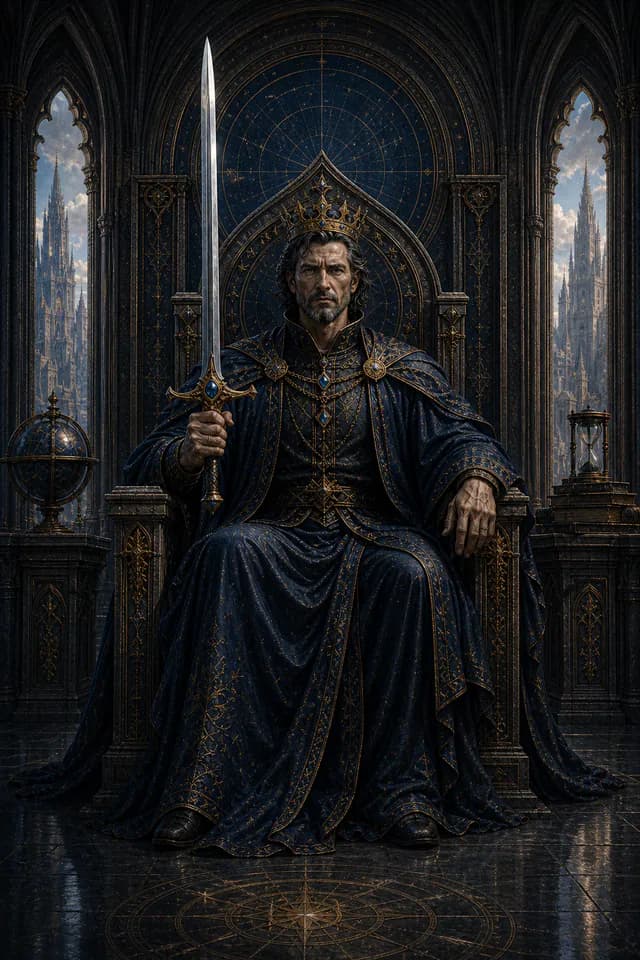 King of Swordslogic / authority / decision / truth / emotional distance
Reality checks for a Swords reading
Replace a vague “What are they thinking?” with facts, delayed conversations, consequences, and the boundary or decision already taking shape.
Put the question where evidence can reach it
Separate what is known from what is feared
A Swords card can name the thought or conflict. A full spread can show what may have created it, what is being avoided, and which response returns choice to you.