
Minor Arcana · Fire, Drive, and Direction
Wands Tarot Meanings: Where the Spark Is Trying to Go
The suit of Wands begins where something inside says, “I want to move.” It describes desire before promise, ambition before result, and the heat that can animate a relationship, project, or fight. A Wands-heavy reading rarely lacks energy; the question is what that energy is doing.
- Initiative and attraction
- Creative drive
- Momentum and stamina
Wands
Enthusiasm is not the answer; direction is
In the common Western tarot system used here, the suit of Wands is associated with fire: initiative, appetite, creativity, courage, sexuality, enterprise, and the will to make an idea real. Fire may warm a home, light a signal, clear dead growth, or consume its own fuel. Its quality depends on direction and care.
In love, Wands often shows chemistry, pursuit, confidence, friction, travel, or the desire to move a connection forward. At work it speaks to launches, leadership, competition, visibility, and burnout. In personal questions it asks where you feel alive—and whether you are building around that vitality or chasing the next rush.
Repeated Wands can mean momentum, attraction, creative urgency, or an environment running too hot. Few Wands may point to low motivation, suppressed anger, fear of the first step, or a situation with structure but no living spark.
Read the movement before you predict the result
A spark can be convincing while its staying power remains unknown. Find the initiator, distinguish progress from competition, and look for a structure that can carry the heat.
Locate the action
Who initiates? What speeds up? Where is someone planning rather than acting? Separate desire from the move already made. The Two surveys possible directions; the Three waits for results from action already taken. They describe different stages of commitment.
Distinguish momentum from struggle
High energy can mean two people advancing together, or two wills competing for control and attention. Use position, body direction, and surrounding cards to see whether the person is building, proving, defending, or merely refusing to yield.
Give the fire a container
Cups can give fire emotional meaning, Swords a decision, and Pentacles time, resources, and form. Without those supports, even powerful Wands may describe a compelling moment rather than a durable outcome.
From ignition to overload: the life cycle of a flame
The sequence is a diagnostic map, not a guaranteed timeline. It helps locate a situation at beginning, choice, expansion, stabilization, competition, acceleration, endurance, or the point where carrying everything is no longer sustainable.
Ace–Four | Ignition, choice, and form
The Ace is raw possibility; the Two chooses a horizon; the Three waits for the return on a move already made; the Four gives scattered energy a temporary structure through meeting, milestone, homecoming, or celebration.
Five–Seven | Friction, recognition, and defense
The Five collides with competing wills, the Six seeks recognition after competition, and the Seven decides what deserves protection. Success does not end the question; it changes what must be defended and why.
Eight–Ten | Speed, endurance, and burden
The Eight releases messages, travel, and momentum. The Nine remains standing but remembers every wound. The Ten reaches the cost of carrying the mission alone: the fire remains alive while the burden becomes unsustainable.
The court | Four relationships with desire
The Page experiments, the Knight pursues, the Queen holds fire without needing an audience, and the King gives it a horizon and accountable direction. They describe people or styles, not fixed genders.
Upright and reversed: will the fire catch, scatter, or burn out?
A reversed Wand is not simply “no action.” It changes the direction and sustainability of the energy: a spark may fail to catch, movement may lose its aim, timing may delay, or will may collapse after carrying too much.
Energy becomes visible
An invitation is sent, a direction chosen, a challenge met, or desire openly pursued. The fire has an outlet, but the next evidence still matters: response, pacing, resources, and whether the person continues after the first exciting move.
Energy is frustrated, erratic, or exhausted
The impulse may remain private, flare without aim, meet poor timing, or turn inward as irritation. Pride can block cooperation and persistence can quietly become overwork. Private heat should not be mistaken for a public promise.
14 cards
Explore all 14 Wands cards
Read the Ace through Ten, followed by the Page, Knight, Queen, and King. Each page covers upright and reversed meanings for love, work, money, imagery, and the next practical move.
 Ace of Wandsspark / desire / new energy / chemistry / initiative
 Two of Wandsplanning / choice / future / waiting / strategy
 Three of Wandswaiting / expansion / distance / results / long view
 Four of Wandsstability / celebration / homecoming / milestone / shared joy
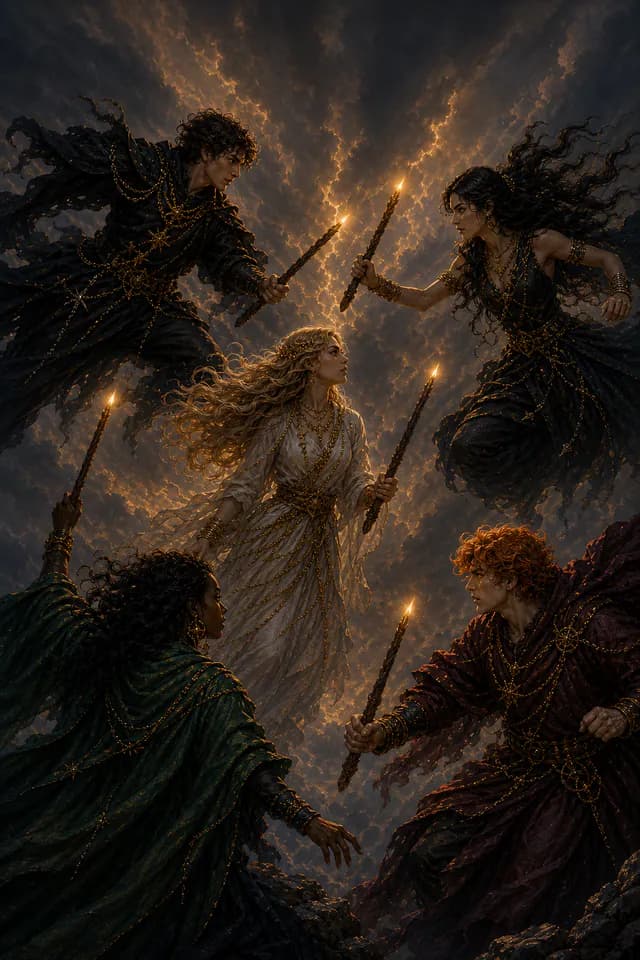 Five of Wandsconflict / competition / friction / tension / mixed agendas
 Six of Wandsrecognition / victory / attention / confidence / public success
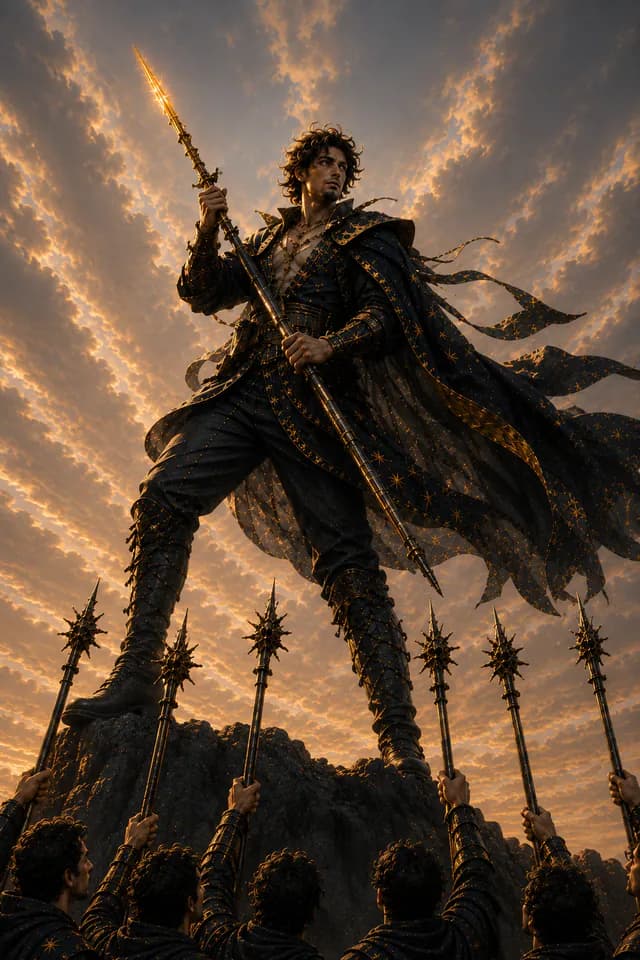 Seven of Wandsdefense / boundaries / pressure / standing ground / challenge
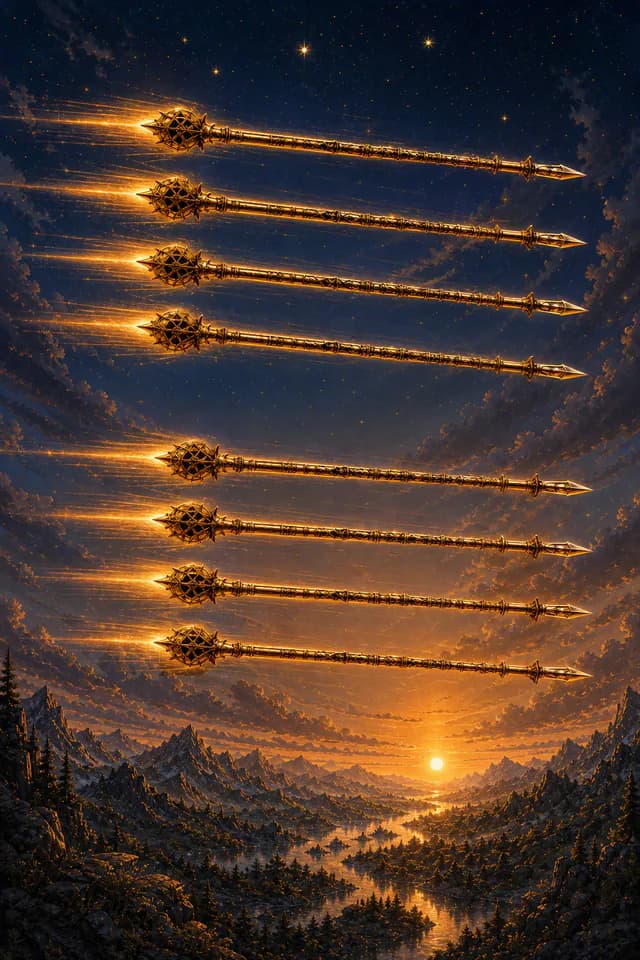 Eight of Wandsfast movement / messages / momentum / travel / sudden progress
 Nine of Wandsguarded / wounded / persistence / last stand / caution
 Ten of Wandsburden / overload / responsibility / pressure / carrying too much
 Page of Wandsspark / flirty message / curiosity / adventure / new impulse
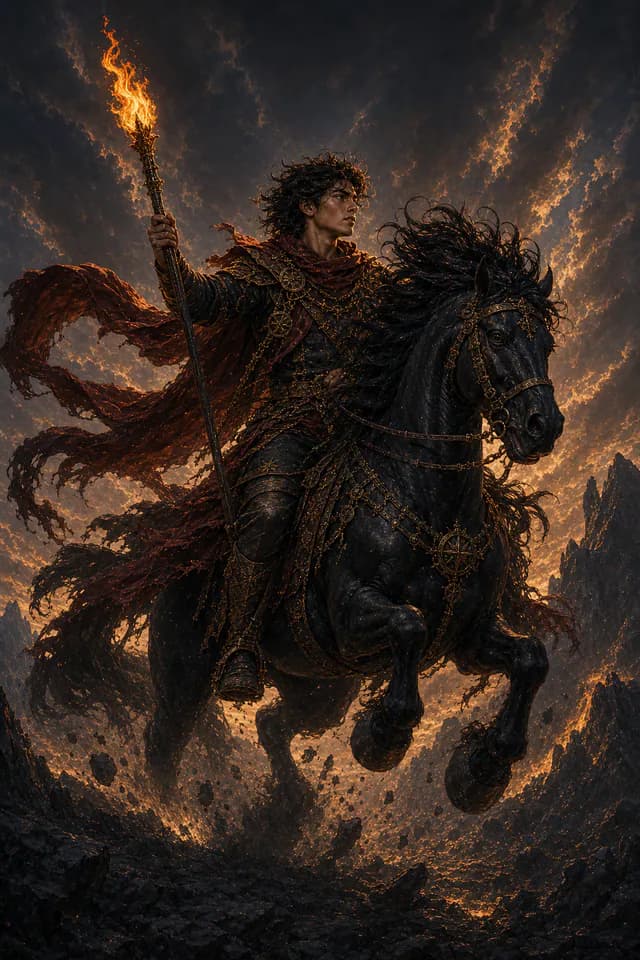 Knight of Wandspassion / rush / pursuit / inconsistency / bold move
 Queen of Wandsconfidence / magnetism / warmth / independence / visibility
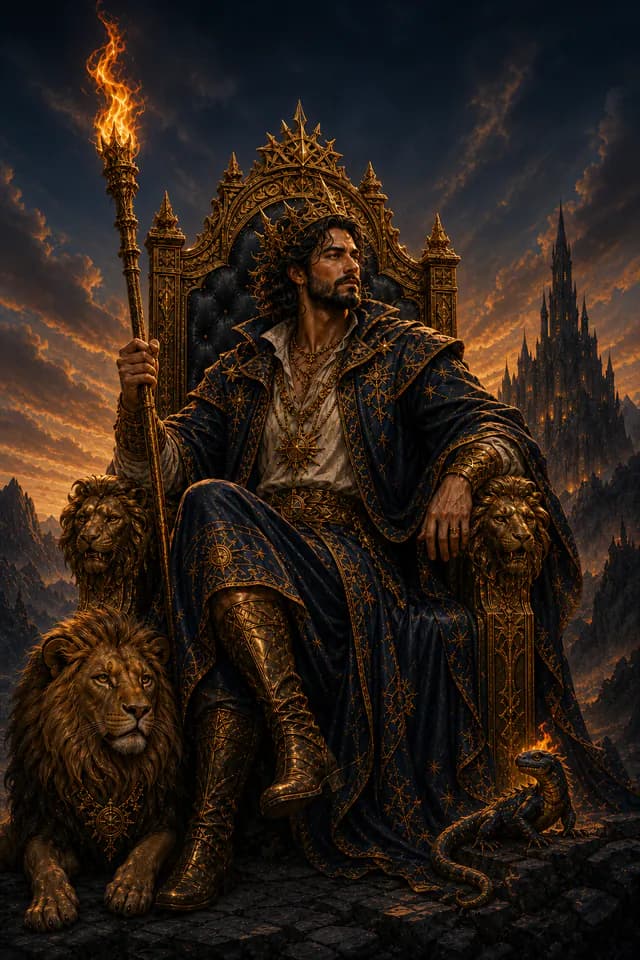 King of Wandsleadership / vision / boldness / desire with direction / command
Reality checks for a Wands reading
Do not stop at whether the situation feels exciting. Track what the heat produces, what comes back, and what it costs to maintain.
Bring the heat back to the situation
See where the spark is trying to lead
A Wands card can show desire and momentum. Its place in a spread can help distinguish whether the fire becomes action, conflict, growth, or exhaustion.